The Complete Dress Styling Guide: How to Choose, Style, Layer, and Rewear Dresses
A great dress should do more than look pretty on a hanger. It should fit your body, work with your lifestyle, and give you more than one way to wear it. At BTK COLLECTIONS, the strongest dresses are the ones that make getting dressed feel easier, whether you are heading to work, brunch, date night, travel, a seasonal event, or a special moment.
This complete dress styling guide brings together the most useful advice in one place: how to choose a flattering silhouette, build a smarter dress wardrobe, style one dress multiple ways, layer dresses in colder weather, and shop plus-size styles with more confidence. Think of this as your starting point. Each section below introduces one key styling topic, then points you to a deeper guide based on what you need most right now.

Start Here Based on What You Need
| What you need right now | Start here | Then read |
|---|---|---|
| Find the most flattering silhouette | How to Choose the Right Dress for Your Body Shape | Plus Size Dress Guide: Everyday & Special Moments if you shop XL–3XL |
| Build a more versatile wardrobe | How to Build a 5-Dress Capsule Wardrobe | Floral Satin Midi Dress Outfit Ideas: 4 Ways to Wear It |
| Make one dress work harder | Floral Satin Midi Dress Outfit Ideas: 4 Ways to Wear It | How to Build a 5-Dress Capsule Wardrobe |
| Keep wearing dresses in cold weather | How to Layer Dresses in Fall & Winter | How to Build a 5-Dress Capsule Wardrobe |
| Shop curve-friendly dresses with more confidence | Plus Size Dress Guide: Everyday & Special Moments | How to Choose the Right Dress for Your Body Shape |

1. Choose the Right Dress for Your Body Shape
The first step to better dress shopping is understanding what actually flatters your proportions. That does not mean dressing by rigid rules or hiding your body. It means learning how different silhouettes create balance, highlight your favorite features, and make a dress feel intentional on you.
For hourglass shapes, waist definition is usually the strongest move. Wrap dresses, belted midis, fit-and-flare shapes, and structured bodices can highlight natural curves without overwhelming them. For pear shapes, the goal is often to draw attention upward while letting the skirt skim over the hips. A-line dresses, puff sleeves, embellished bodices, and defined waists can help create that balance.
Apple shapes often benefit from dresses that skim the midsection without clinging. Empire waists, soft shift shapes, wrap necklines, and vertical movement can create shape without making the waist feel restricted. Rectangle shapes usually look best when the dress creates the illusion of curves through belts, tiers, ruffles, or seam details. Petite women should pay close attention to proportion, while tall women can carry longer hems, bolder prints, and statement silhouettes beautifully.
Read next: How to Choose the Right Dress for Your Body Shape
2. Build a Capsule Wardrobe with Key Dresses
A capsule wardrobe is not about owning the fewest clothes possible. It is about owning the right pieces — the dresses that actually work for your calendar, your body, and your personal style. Instead of buying random outfits for one-time occasions, a dress capsule helps you build a wardrobe that feels cohesive and practical.
A simple way to start is with a few key roles: a dress for work, one for brunch or daytime plans, one for date night, one for travel, and one for events. These categories cover most real-life needs without forcing you to constantly buy something new. The strongest capsule dresses are pieces that shift mood with accessories. A midi dress can become office-ready with a blazer and pumps, weekend-friendly with sandals and a crossbody bag, or dinner-appropriate with heels and statement earrings.
The real goal is to stop thinking of a dress as only for one thing. A good capsule dress should have range. Look for colors that connect with your existing wardrobe, silhouettes you already feel good wearing, and fabrics that move across seasons.
Read next: How to Build a 5-Dress Capsule Wardrobe
3. Style One Dress Multiple Ways
One of the most useful styling skills is learning how to change the mood of a dress without changing the dress itself. Shoes, jackets, jewelry, and bags can completely transform the same piece from daytime to evening, casual to polished, or office to dinner.
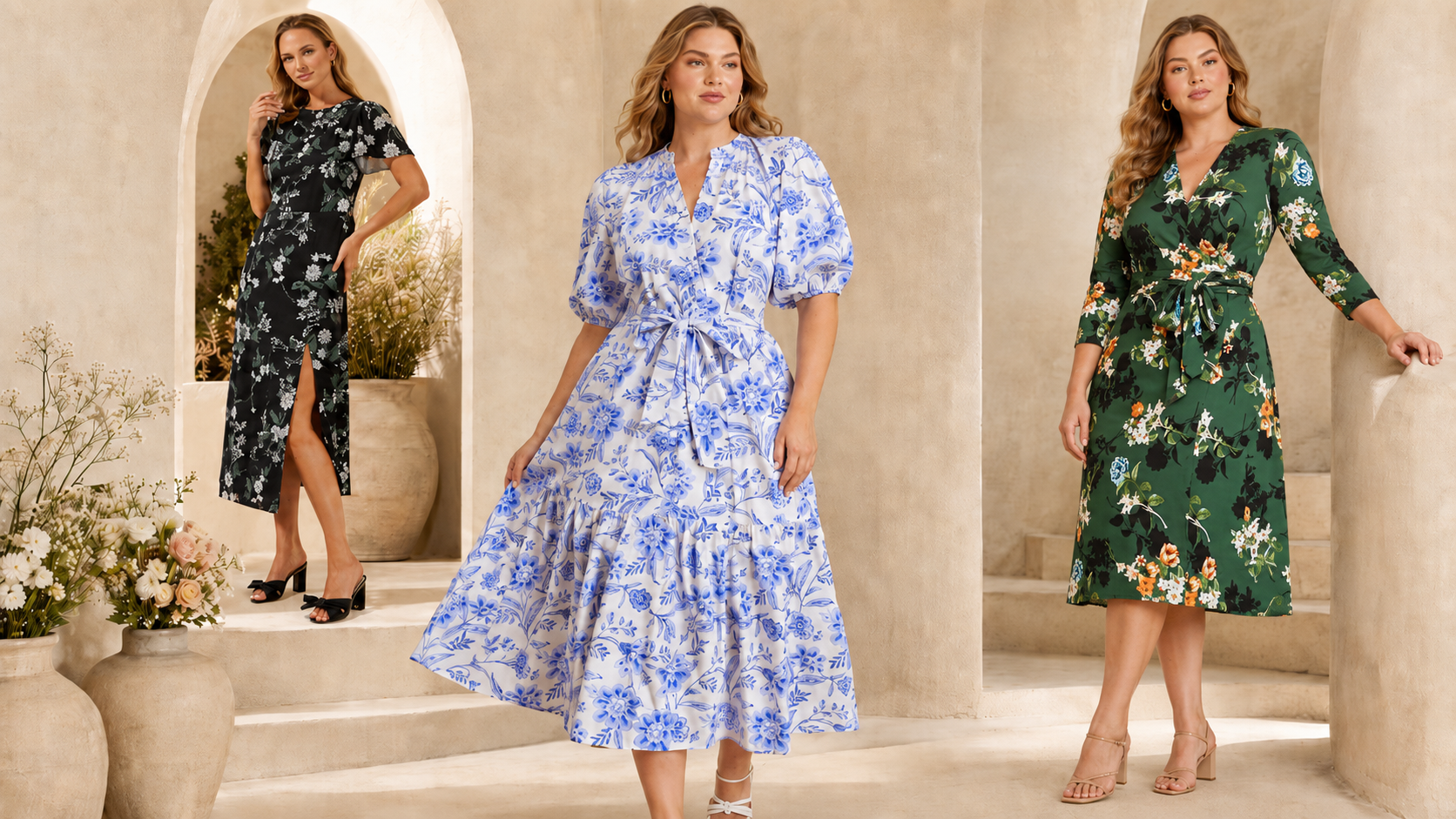
For example, a floral midi dress can feel smart-casual with a blazer, structured tote, and ankle boots. The same dress can feel relaxed for brunch with a denim jacket, crossbody bag, and flat sandals. For the weekend, it can be styled with sneakers and a utility jacket. For casual date night, switch to heeled shoes, a smaller bag, and stronger jewelry.
This is where the real value of a dress shows up. One piece can become multiple outfits — not because the dress changed, but because the styling around it changed. That is why dresses with versatile necklines, wearable hemlines, and prints that work with both casual and elevated accessories are always worth a closer look.
Read next: Floral Satin Midi Dress Outfit Ideas: 4 Ways to Wear It

4. Layer Dresses in Fall and Winter
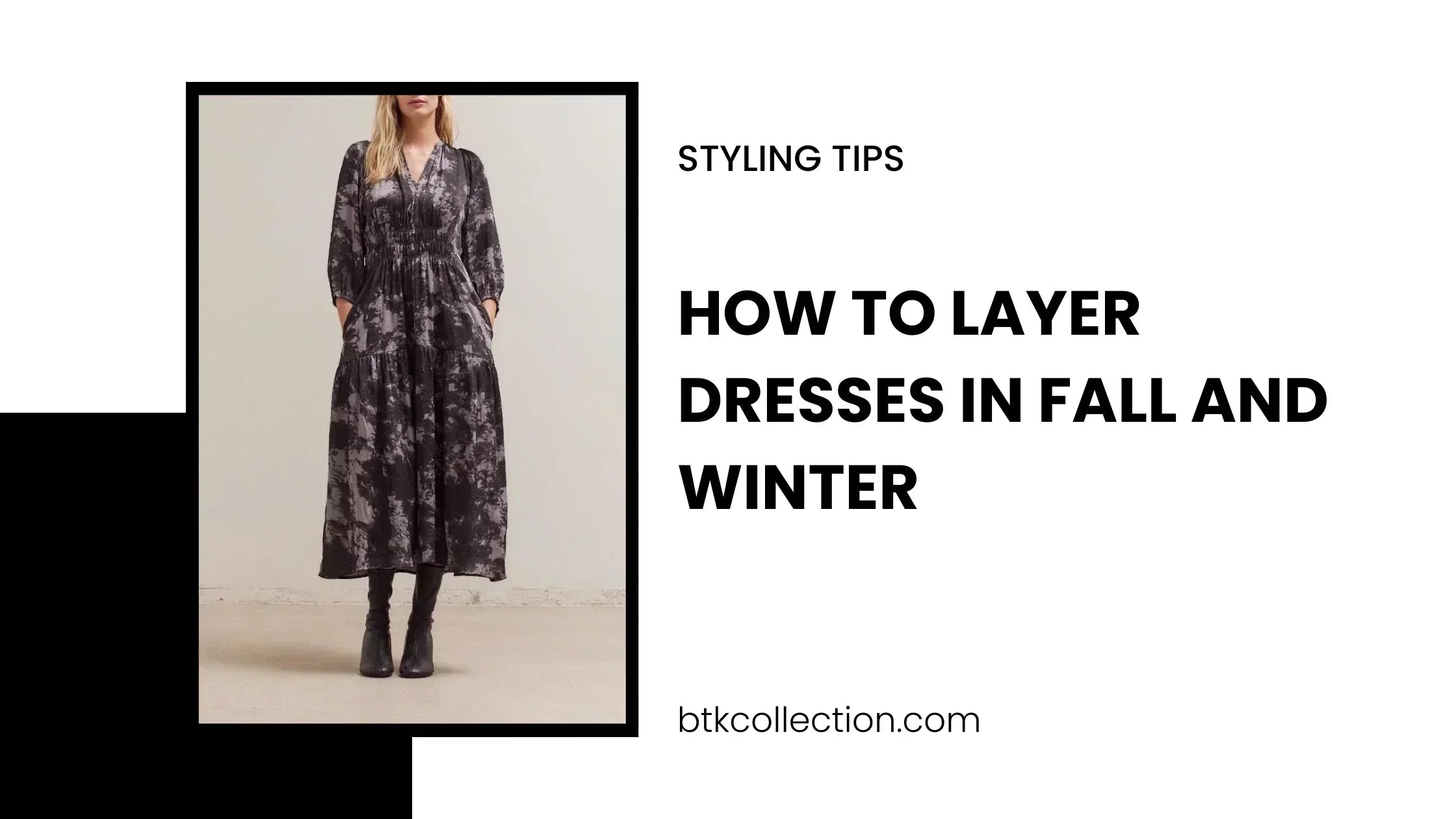
A dress does not have to disappear from your wardrobe when the weather cools down. With the right layers, many dresses can move through fall and winter while still feeling polished and comfortable.
The foundation starts with tights. Opaque black, brown, or fleece-lined tights can instantly make a midi or sweater dress more wearable in cold weather. Boots come next. Ankle boots work beautifully with midi dresses, tall boots add warmth under longer hems, and knee-high boots can make sweater dresses feel more balanced.
Coats, jackets, and knit layers matter just as much. A long coat creates a clean vertical line over a dress, while a cropped jacket can define the waist. A fitted underlayer can extend the season of a sleeveless dress, while an easy cardigan over a floral midi creates a softer fall look. Scarves and textured outerwear add warmth while making the outfit feel styled rather than thrown together.
The trick is to layer with intention. Keep one part of the outfit structured so the overall look does not become bulky. If the dress is flowy, add a cleaner coat. If the dress is simple, use texture through knits, scarves, or boots.
Read next: How to Layer Dresses in Fall & Winter
5. Shop Plus-Size Dresses with Fit, Fabric, and Proportion in Mind
Plus-size dressing should never be reduced to wear black or hide your shape. A better approach is to focus on fit, fabric, proportions, and tailoring. These are the details that make a dress look polished, whether it is for everyday wear, a smart-casual setting, or a special occasion.
Fit starts at the shoulders, bust, and waist. A dress should not pull across the bust, cut into the arm, or sit awkwardly at the waist. Wrap dresses, elastic waists, V-necklines, and soft A-line skirts can be especially useful because they create shape while allowing movement. Fabric is just as important. Drapier materials usually flatter better than stiff fabrics that stand away from the body or thin fabrics that cling.
Proportion matters too. Midi and maxi lengths can be beautiful on curves when the waist is defined and the hem hits at the right place. Slits can add movement and length, while flutter or long sleeves can balance the upper body. Tailoring can also make a major difference. Hemming a maxi, adjusting a wrap neckline, or slightly refining the waist can make a dress look custom instead of generic.
If you shop XL–3XL, the most useful mindset is not finding the most options. It is finding the most flattering options, then using fit, fabric, proportion, and tailoring to make them work harder.
Read next: Plus Size Dress Guide: Everyday & Special Moments
6. How to Use These Guides Together
These guides work best together, not separately. If you are shopping for a new dress, start with the body-shape guide so you understand which silhouettes are likely to flatter you. Then use the capsule wardrobe guide to decide whether the dress fills a real gap in your wardrobe.
Before buying, ask yourself one practical question: can this dress be styled at least two or three different ways? If yes, the styling guide will help you plan outfits before the dress even arrives. If the piece is seasonal or transitional, the fall and winter layering guide will help you decide whether it can work beyond one season. If you shop XL–3XL, the plus-size guide gives you another filter for evaluating fit, fabric, proportions, and tailoring before you commit.
This is what makes dress shopping more strategic. You stop buying only because a dress looks pretty and start buying because it actually works for your life.

7. Shop by Styling Need
If you are ready to browse with more intention, start with the category that matches what you need most right now.
| Styling need | Best place to start |
|---|---|
| Browse everything | Women’s Dresses |
| Polished everyday and event-ready lengths | Midi Dresses |
| Vacations, events, and statement moments | Maxi Dresses |
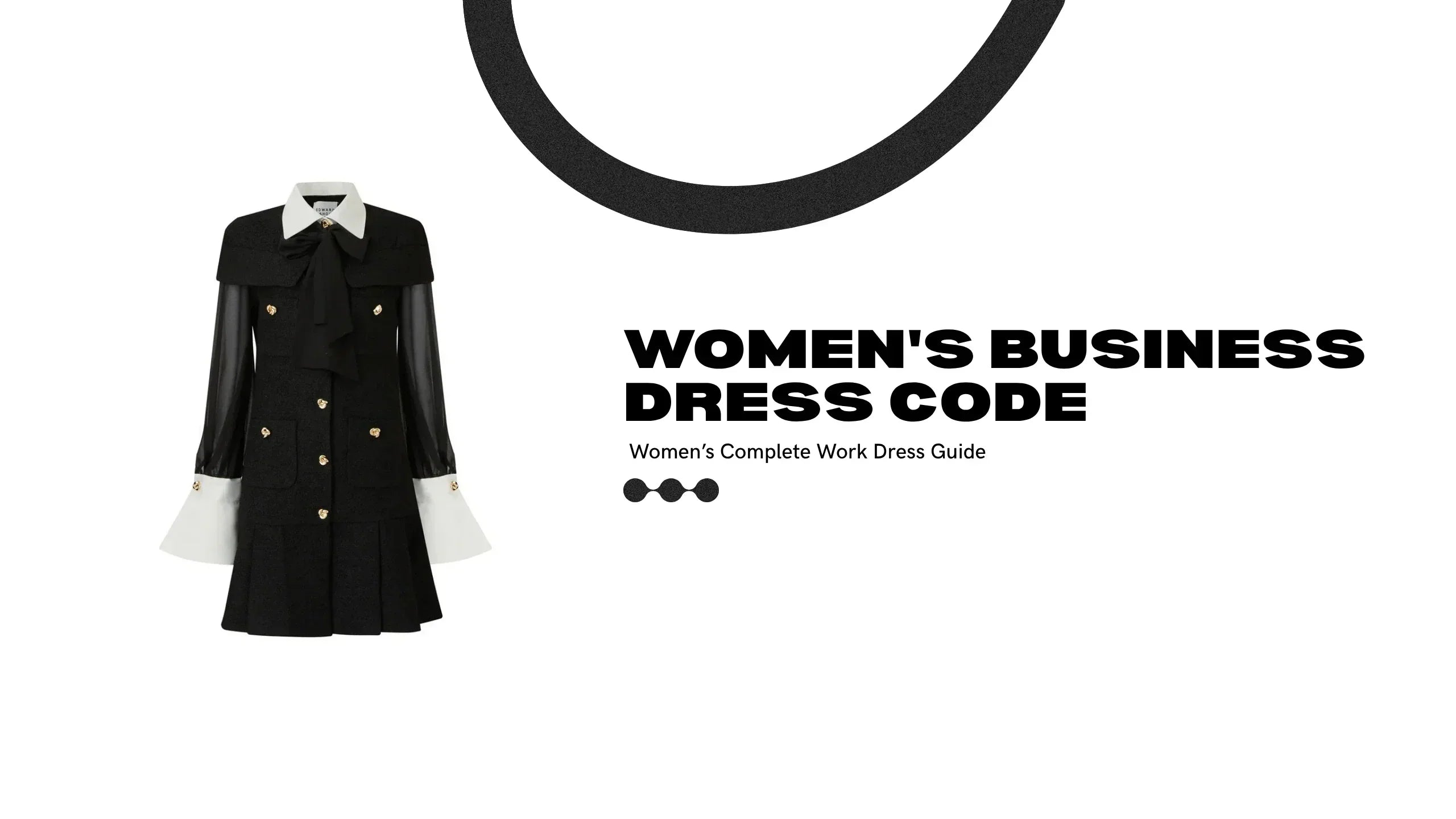
| More office-friendly styling pieces | Work Dresses |
| Sharper professional silhouettes | Structured Work Dresses |
| Curated XL–3XL options | Plus Size Dresses |
| Weddings, celebrations, and dressier moments | Special Occasion Dresses |
Current styles to compare
Use these examples to compare the details discussed above, then follow each product link for current options and sizing.
| Style | Material and fit | How it helps you choose |
|---|---|---|
 SUGARLIPS Wilderra Trevis Floral Pleated Midi Shirt Dress with Pockets SUGARLIPS Wilderra Trevis Floral Pleated Midi Shirt Dress with Pockets
|
100% cotton floral shirt dress with short sleeves, a smocked waist, pleated skirt and pockets; regular and Curve options in one listing. | A practical example for relaxed workdays, brunch and seasonal layering; check the brand's size guide. |
 SUGARLIPS Strella Navy Faux Leather A-Line Midi Dress SUGARLIPS Strella Navy Faux Leather A-Line Midi Dress
|
Navy faux-leather A-line midi with panel stitching and a high round neckline; 55% polyester, 45% polyurethane. | Use a jacket for suitable business-casual settings, then simpler layers for dinner. The material is faux leather. |
Final Thoughts
The best dress is not always the trendiest one. It is the one that fits your body, matches your lifestyle, and gives you more than one way to wear it. When you understand shape, fabric, proportion, layering, and styling, you shop with more confidence and your wardrobe starts working harder for you.
Use this guide as your starting point, then go deeper based on what you need most right now. Whether you are building a capsule wardrobe, dressing for your body shape, layering for winter, styling one dress multiple ways, or shopping for curve-friendly pieces, the goal stays the same: choose dresses with intention.