Maxi Dress Length Guide: What Length Is a Maxi Dress for Your Height?
Choosing the right maxi dress length starts with where you want the hem to fall. A maxi usually reaches the ankle or lower, but the same dress can sit differently on two women. Your proportions, the cut, the size, and your shoes all matter. This guide helps you compare the details before you shop.
What Is Maxi Length in Dresses?

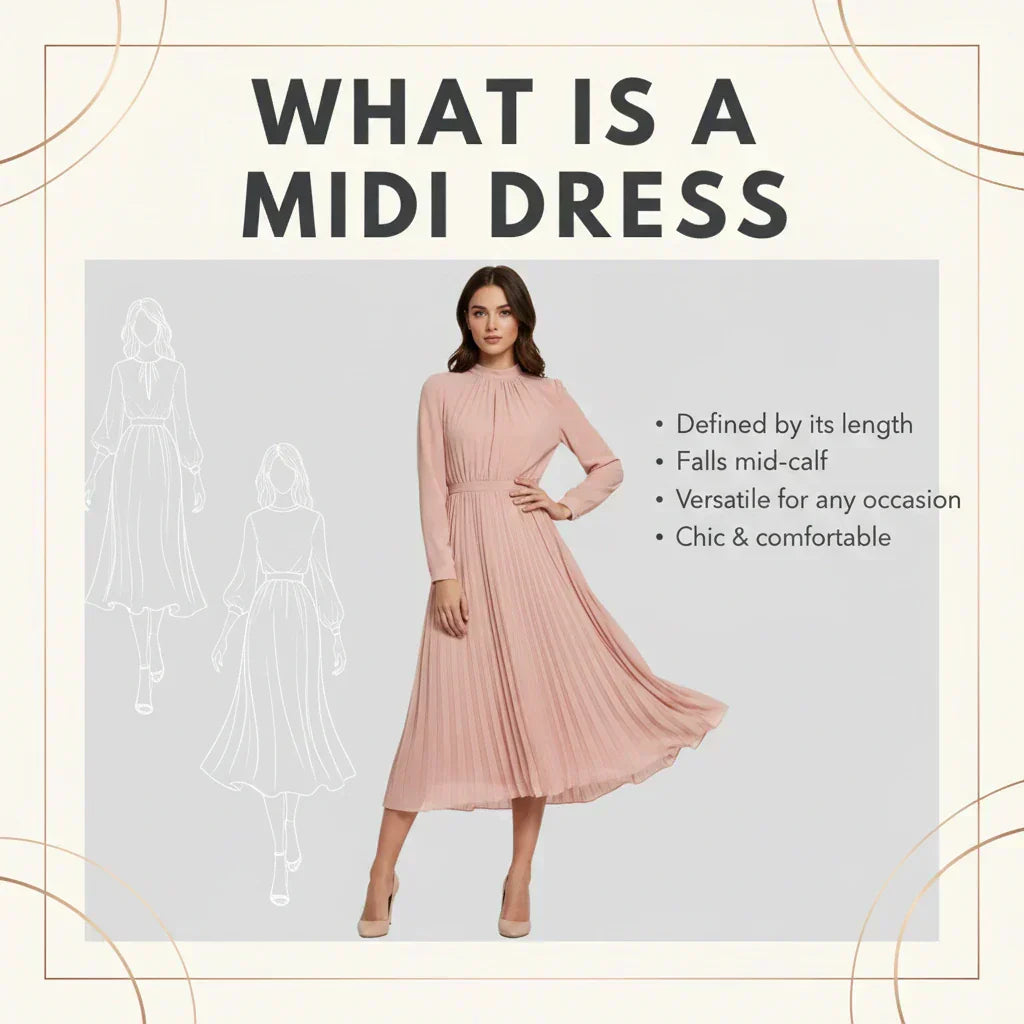
"Maxi length" refers to any dress that falls at or below the ankle — the longest of the standard dress lengths, sitting below knee-length and midi (which stops between the knee and mid-calf). Within maxi length, there's still a range:
-
Ankle length: hits right at or just above the ankle bone — the most common maxi length and the most versatile for everyday wear.
-
Floor length: grazes the floor with little to no gap, typically reserved for special occasion dresses and formal events.
-
Extra length / tall length: an extended hem cut for taller frames so the dress still reaches the floor without hemming.
-
Petite length: a shortened hem (or the same dress worn by a shorter frame) that keeps the dress from pooling on the ground.
Because a single "maxi" cut can look completely different on a 5'0" frame versus a 5'9" frame, the real answer to what length is a maxi dress always comes back to your height — which is exactly what the chart below is for.
Featured prices and available sizes checked October 12, 2026. Prices are in USD; each product page shows the latest availability. Compare the listed garment measurements with a dress that fits you well.
Maxi Dress Length Calculator: Find Your Length by Height
A height-only calculator cannot reliably predict your hemline. Use your height to compare model photos, then measure the length you actually want with your planned shoes on.
| Step | What to compare |
|---|---|
| 1. Choose your hem | Decide whether you want an ankle-length daytime dress or a longer evening hem that clears the floor as you walk. |
| 2. Measure a good fit | Lay a dress you like flat and measure using the same starting point as the product listing. Shoulder-to-hem and waist-to-hem measurements are not interchangeable. |
| 3. Check the exact size | Read the product’s size chart, model height, and garment-length notes. A measurement from one sample size may differ in another size. |
| 4. Confirm missing details | If the listing does not state the garment length, contact BTK COLLECTIONS with the dress name and size before ordering for a specific hemline. |
Petite, regular, and tall labels vary by brand. A maxi label alone does not guarantee floor length on your frame. Browse our maxi dresses and check each design individually.
Understanding Maxi Dress Length

A well-fitting maxi dress boosts confidence as much as it boosts style — and getting there starts with two factors: your body type and your shoe choice.
Body Type Influence
Your body type plays a real role in which maxi length looks best. A petite frame in a dress that falls just above the ankle reads longer and leaner, while an hourglass figure tends to benefit from a fitted, floor-grazing cut that follows the waist and hip line. Broader shoulders, a shorter neck, or a longer torso can all shift how a given length falls — so use the chart above as a starting point, then confirm against the brand's own measurements.
Shoe Choice Considerations
Shoes change the math. High heels shorten a maxi dress's perceived length and add polish for evening wear; flats let the dress fall its full length, which is ideal for daytime or beach settings. Pair strappy sandals for a relaxed vibe, heels for formal events, or sneakers for a modern, off-duty take on the same dress.
Standard Length Categories for Maxi Dresses

Some brands offer petite, regular, or tall cuts. These labels describe proportions within that brand; they are not a universal length standard, and not every maxi dress is available in all three.
Petite Length Maxi Dresses (Under 5'4")
Petite length maxi dresses are cut a few inches shorter through the body so the hem sits at the ankle rather than pooling on the floor. Look for lightweight fabrics like chiffon or soft cotton, a defined waistline or A-line cut to lengthen the silhouette, and avoid hemlines that drag — a dragging hem shortens the visual line of the leg and is also a trip hazard. Heels or wedges add extra height and help balance proportions.
Regular Length Maxi Dresses (5'5"–5'8")
Regular length is the brand’s standard cut. Depending on the design and your proportions, the hem may fall near the ankle or lower. Compare the actual garment measurement and sample-size information rather than assuming that a regular maxi will fit without alterations.
Extra Length / Tall Maxi Dresses (5'8" and Taller)
For taller frames, an extra length or tall maxi dress extends the hem so it still reaches the ground rather than riding up to a midi-like length. If a "regular" maxi is consistently landing above your ankle, sizing up to a tall or extra-length cut — rather than the next size up — is usually the better fix.
Maxi vs. Floor Length Dress: What's the Difference?

These terms get used interchangeably, but they're not quite the same thing. "Maxi" describes the overall silhouette — a long, often flowing dress that falls anywhere from the ankle down. "Floor length" describes a specific hemline: one that reaches all the way to the floor with little to no gap. In other words, every floor-length dress is a maxi, but not every maxi dress is floor length — plenty stop at the ankle instead. If you're shopping for a formal event and searching "floor length maxi dress," look specifically for that hem description on the product page rather than assuming "maxi" alone guarantees it.
Choosing the Right Length for Different Occasions
Casual Events

For casual events, an ankle-length hem is often easier to move in than one that drags. A mid-calf hem is usually described as midi. Choose a fabric and cut that suit the weather, then check the length in the flats or sandals you plan to wear.
Formal Occasions and Cocktail Dresses Maxi Length

For weddings, galas, and black-tie events, a floor length or just-above-ankle maxi in silk, satin, or lace reads as the most polished option. For semi-formal settings where "cocktail dresses maxi length" comes up, a full-length maxi in a solid color or subtle print works as an elegant alternative to a traditional short cocktail dress — it's a look increasingly common at upscale dinners and evening events where guests want coverage without sacrificing formality. Browse special occasion dresses for options built specifically for this in-between formality.
Maxi Length Wedding Guest Dresses

Maxi length is one of the safest, most flattering choices for a wedding guest dress — it works for daytime garden ceremonies and formal evening receptions alike. Ankle length suits an outdoor or casual wedding, while floor length is better for a black-tie invitation. Avoid all-white or anything that could compete with the bridal party, and check the invitation for a specified dress code before you shop. For more ideas, see our wedding guest dress guide.
Dress Length and Personal Style

Maxi dresses aren't the only long-format option, and it helps to know where the category lines actually sit:
-
Mini: ends at mid-thigh.
-
Knee length: hits at or just below the knee — technically not a maxi at all, but if you searched "knee length maxi dress," you're likely looking for a shorter, more versatile alternative. That's actually a midi dress, which offers a similar silhouette in a shorter, easier-to-wear length for both casual and semi-formal settings.
-
Tea length: falls between the knee and mid-calf.
-
Midi: just below the knee to mid-calf.
-
Maxi / full length: ankle to floor.
A note on sleeves: dress length and sleeve length are two separate style decisions. A 3/4 length sleeve maxi dress — sleeves that end between the elbow and wrist — pairs well with any of the maxi lengths above and is a popular choice for transitional weather, offering more coverage than short sleeves without the warmth of a full-length sleeve.
Full Length Maxi Dresses for Women

A full length maxi dress — one that reaches the floor — is the most formal expression of the silhouette and the one most associated with galas, black-tie events, and evening receptions. Luxurious fabrics like silk, satin, and lace elevate the look further, and a defined waist or A-line skirt keeps floor-length styles from overwhelming the frame.
Floor Length Maxi Dresses for Tall Women

For tall women, the goal is a hem that reaches the ground without excess fabric bunching at the feet — which usually means shopping specifically in a tall or extra-length maxi rather than a standard cut. Our tall women's dress guide and maxi dresses for tall women go deeper on cuts, brands, and styling built for height.
Finding the Perfect Maxi Dress

Matching your maxi dress to your body type starts with silhouette. Pear-shaped bodies tend to look best in an A-line maxi that flares gently from the waist; hourglass figures are flattered by a fitted bodice that follows the waistline into a fuller skirt. From there, fabric does the rest of the work — cotton and linen for daytime and casual wear, silk and satin for evening and formal settings. Explore the full range in our women's dresses collection or the relaxed, easy-flow styles in Grade & Gather.
Compare the maxi dresses in this guide
| Dress | Best use | Length or fit to check |
|---|---|---|
| Pink Floral Pleated Maxi — $46.80 | Brunch, resort dinners and casual celebrations | Ankle appearance on model; waist tie; S–L; final sale |
| Renee C Halter Maxi — $60 | Warm-weather outings and vacation | Full-length description; no numeric length listed; S–L |
| Satin Lace Maxi — $135 | Evening celebrations, according to dress code | Regular fit; 5 ft 10 in model wears S; S–L |
These are style examples from current inventory, not designated petite or tall fits. Confirm the length in your size if a precise hemline is essential.
Temporary and Permanent Length Adjustments

Temporary fixes:
-
Fashion tape or hemming tape to hold a shortened hem in place without sewing.
-
Safety pins for a quick, adjustable shorten.
-
Blousing the fabric over a belt to raise the hemline for the day.
Permanent alterations:
-
Hemming — measure carefully and leave about an inch of allowance before cutting.
-
Adding a slit — cut and finish the seam for a tailored look that adds movement without shortening the overall length.
If a maxi dress doesn't fit quite right out of the box, a professional tailor can make either adjustment while preserving the dress's original design.
Measuring for the Perfect Maxi Dress Length

To measure yourself accurately, start from the top of your shoulder and measure straight down to your desired hemline — this is the number to compare against a product's listed garment length. Combine that with your bust, waist, and hip measurements, and always check the brand's specific sizing chart, since garment lengths for "maxi" can vary by a few inches from brand to brand.
Alternatives to Maxi Dresses
If a full maxi isn't quite right for the occasion, there are flattering alternatives at every length: knee-length dresses for easy, everyday wear; midi dresses as a versatile in-between for casual-to-semi-formal events; and A-line silhouettes, available in mini, midi, or full length, that flatter a wide range of body types.
Summary
The right maxi dress length comes down to three things: your height, your body type, and the occasion. Use the chart above as your starting point, confirm against the specific garment measurements on the product page, and adjust with shoes or a quick hem fix if needed. Shop the full range of ankle-to-floor lengths in our maxi dresses collection at BTK COLLECTIONS.
Frequently Asked Questions
What length is a maxi dress?
A maxi dress generally falls near the ankle or lower. There is no single shoulder-to-hem measurement that guarantees maxi length for every person. Compare the specific dress and size with your preferred hemline.
What is maxi length in dresses?
Maxi length refers to any dress that falls at or below the ankle — the longest standard dress length, below knee-length, tea-length, and midi.
How do I use a maxi dress length calculator to find my size?
Use garment measurements rather than subtracting a fixed number from your height. Measure a dress that fits well using the same starting point as the listing, compare your bust, waist, and hips with the size chart, and check the hem with your intended shoes.
What's the difference between a maxi dress and a floor length dress?
"Maxi" describes the overall long silhouette, while "floor length" describes a specific hem that reaches all the way to the ground. All floor-length dresses are maxis, but not all maxi dresses are floor length.
What length should a maxi dress be for a petite woman?
A maxi dress for a petite woman (generally under 5'4") should fall just above the ankle, either in a petite-length cut or with a light hem adjustment, to avoid pooling on the floor.
Is a maxi dress appropriate for a wedding guest?
Yes — maxi length is one of the most versatile choices for a wedding guest dress. Ankle length suits daytime or outdoor weddings, while floor length is better for formal, black-tie receptions.
Can a maxi dress work as a cocktail dress?
A full-length maxi in a solid color or refined print can stand in for a traditional cocktail dress at semi-formal dinners and evening events, offering more coverage without losing polish.
How can I temporarily adjust the length of my maxi dress?
Use safety pins, fashion tape, or hemming tape to alter the hemline, or blouse the fabric over a belt to create a shorter silhouette without cutting anything.
What fabrics are best for casual maxi dresses?
Cotton and linen are the best fabrics for casual maxi dresses, offering lightweight breathability and comfort for everyday wear.
How does shoe choice affect the length of a maxi dress?
High heels shorten a maxi dress's perceived length, while flats let it fall to its full length — choose your footwear based on the silhouette and formality you want.