How to Tell If a Dress Is High Quality: Fabric, Fit, Lining & Finish
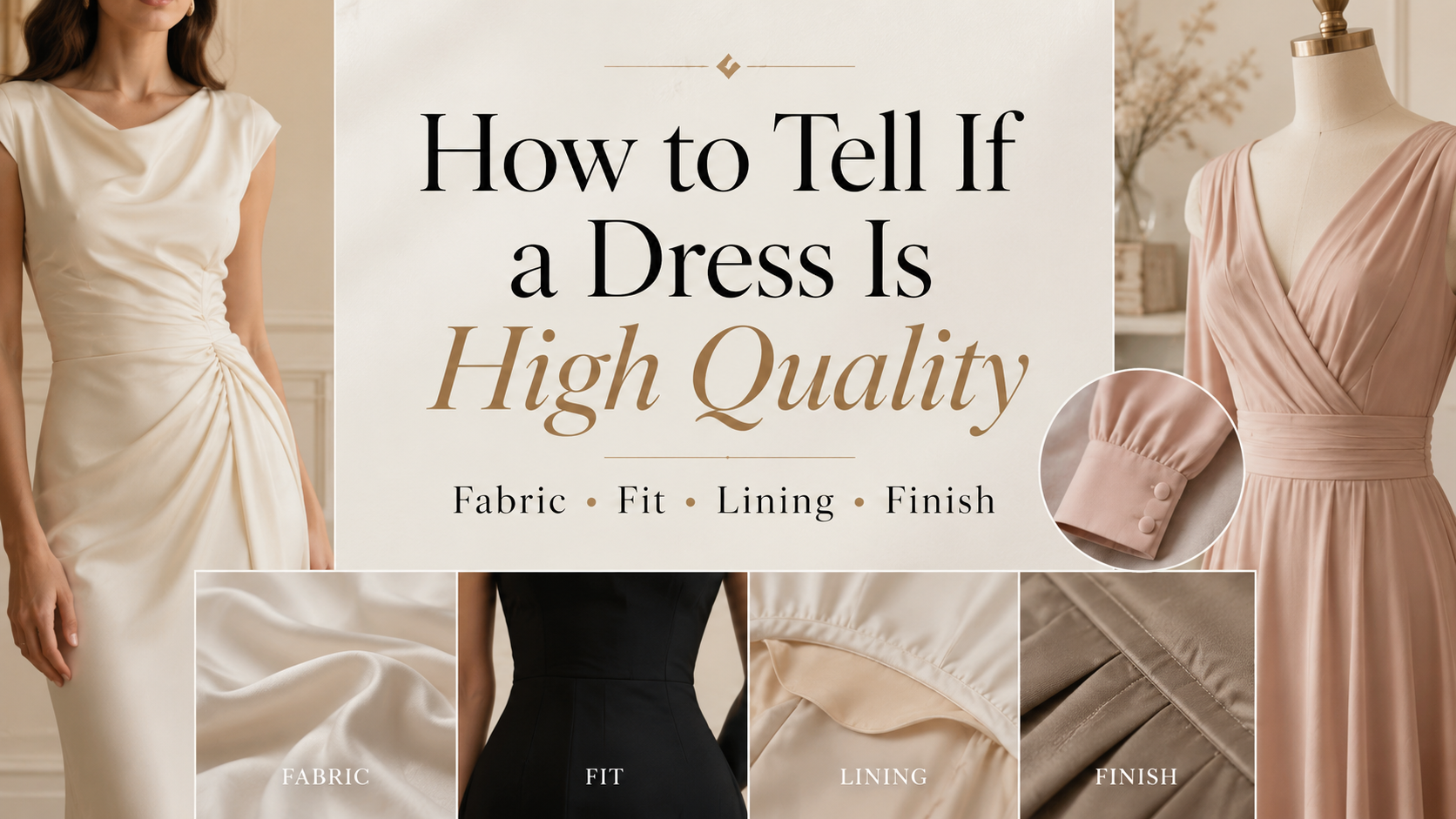
Wondering how to tell if a dress is high quality before you buy it? The best clues are usually found in the fabric, fit, lining, seams, drape, and finishing details. A high-quality dress should not only look beautiful on a hanger — it should move well, sit comfortably on the body, photograph nicely, and feel polished when styled.
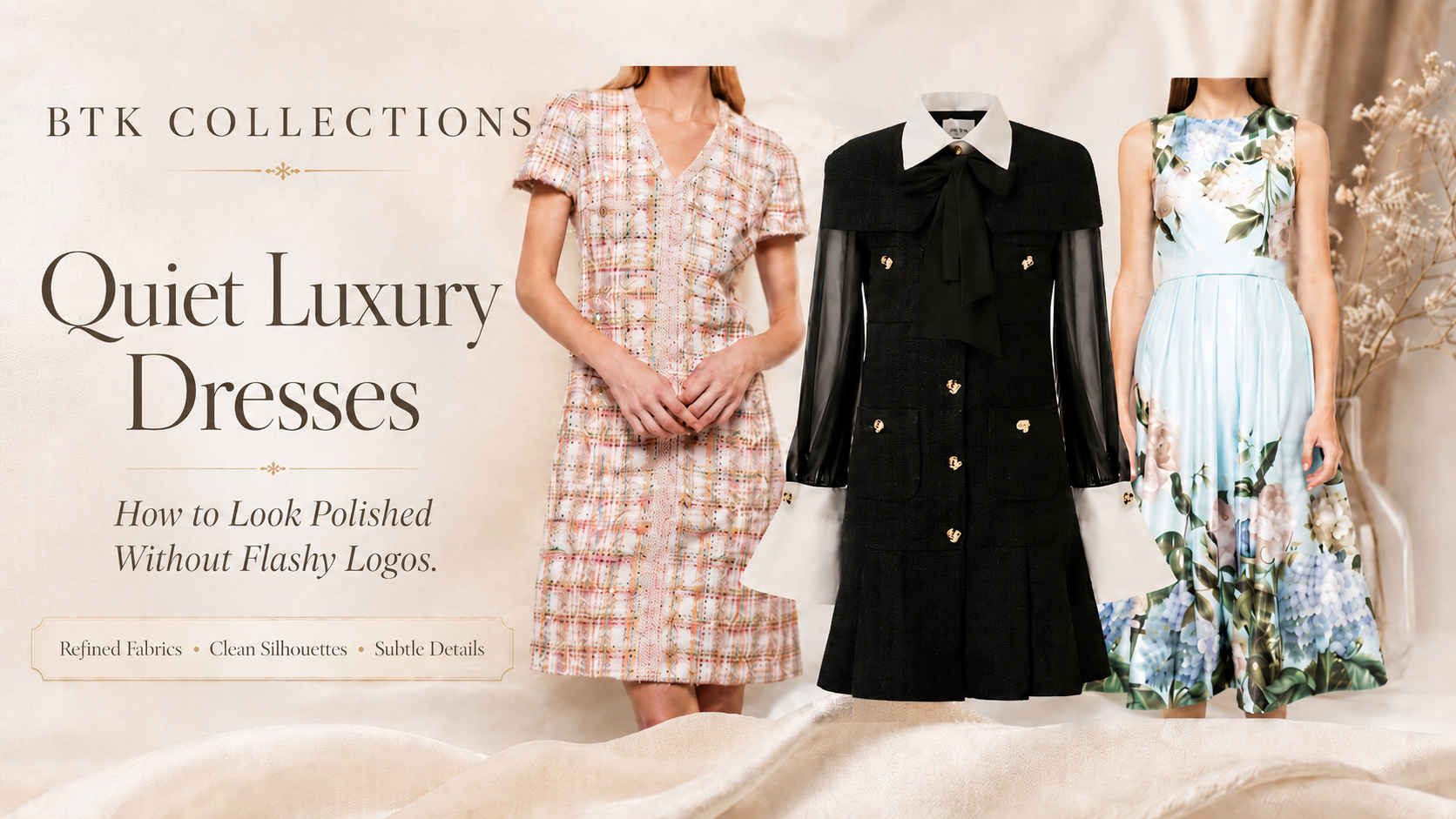
At BTK COLLECTIONS, quality is not limited to one price point. Some dresses are European designer investment pieces from labels like Weill Paris, Edward Achour Paris, and NISSA, chosen for their refined fabrics, tailoring, and distinctive details. Others are elevated everyday styles that look polished because of their fabric, silhouette, and styling potential.
This guide will show you how to recognize quality across both categories, so you can shop smarter and choose dresses that feel intentional, wearable, and worth the price.
What Makes a Dress High Quality?
A high-quality dress is not defined by price alone. A more expensive dress is not automatically the best choice, and an affordable dress is not automatically low quality. What matters most is how the fabric, fit, construction, and design details work together.
A well-made dress usually has a few things in common:
- Fabric that feels substantial enough for the style
- Drape that skims the body instead of clinging awkwardly
- Lining where opacity or structure matters
- Seams that sit smoothly and securely
- A silhouette that flatters and holds its shape
- Details that look intentional, not random
- Print placement that feels balanced
- Movement that works for real life
The goal is simple: choose dresses that look polished when worn, not just when photographed flat. Whether you are shopping dresses under $200 that look expensive or investing in a European designer sale piece, these quality clues can help you compare styles more clearly.

1. Start With Fabric Weight and Drape
Fabric is one of the fastest ways to judge dress quality. A high-quality dress should have fabric that supports the shape of the design. It should not feel too thin, overly stiff, or so clingy that it loses polish once worn.
Good drape means the fabric falls naturally. It moves with the body, skims instead of sticks, and helps the dress look smooth from different angles. Lightweight fabric is not always a problem, especially for summer dresses, chiffon styles, or breezy maxis. The key is whether the fabric still has movement, opacity, and a refined finish.
Fabrics that often look elevated include:
- Crepe
- Satin
- Chiffon
- Viscose
- Rayon blends
- Structured cotton
- Ponte or structured knits
- Soft sweater knits
- Jacquard
- Tweed
With European designer dresses, the value often comes from refined fabric choices, thoughtful construction, and silhouettes that feel intentionally designed. For European designer dresses, fabric and drape are especially important because the piece should feel refined from the first impression — in the way it falls, moves, photographs, and holds its shape.
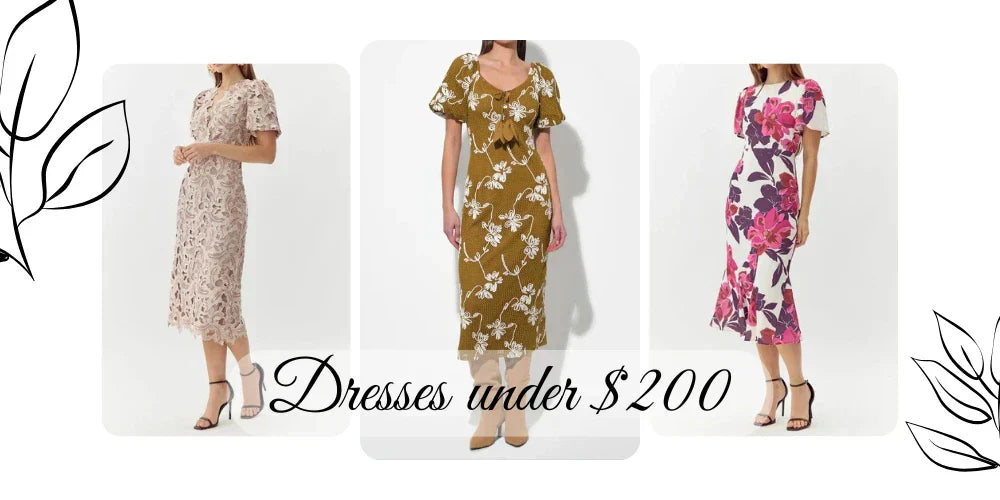
For dresses under $200, the goal is different. The dress does not need to imitate couture. It simply needs to look polished, photograph well, and style easily with clean accessories.
A quick fabric test: imagine the dress after sitting, walking, hugging, and being photographed. If the fabric still feels smooth, comfortable, and flattering, it is more likely to be a strong piece.

2. Check the Lining and Opacity
Lining can make a major difference in how expensive a dress looks and feels. It helps the dress sit more smoothly on the body, reduces transparency, and can give the garment better structure.
Not every dress needs full lining. Some summer dresses, casual cotton dresses, lightweight maxis, and relaxed silhouettes are intentionally unlined. But for pale colors, satin styles, fitted silhouettes, event dresses, and many wedding guest dresses, lining can be a sign of better construction.
Look for lining that:
- Feels smooth against the body
- Does not bunch or twist
- Is not too short
- Helps the outer fabric fall smoothly
- Gives the dress enough coverage in natural light
- Supports the shape of the skirt or bodice
Watch out for lining that rides up, pulls at the seams, or creates visible bumps under the outer fabric. A dress can have a beautiful design, but if the lining is too short, too tight, or poorly attached, the final look may feel less refined.
Opacity matters too. Before buying a light-colored dress, think about where you will wear it. Daytime weddings, showers, outdoor events, graduations, and work settings usually require fabric that looks polished in natural light.
3. Look Closely at Seams, Stitching, and Hems
Seams are one of the clearest signs of whether a dress is well made. On a high-quality dress, seams should sit flat, follow the body naturally, and avoid pulling or puckering.
When looking at a dress online or in person, pay attention to:
- Side seams
- Shoulder seams
- Bust seams
- Waist seams
- Zipper area
- Hemline
- Sleeve openings
- Interior finishing
The stitching should look secure and even. The hem should fall smoothly. The zipper area should lie flat instead of rippling. The seams should not twist around the body or pull tightly across the bust, waist, or hips.
This is especially important when browsing sale and last-chance dresses. A markdown can be a great opportunity, but only if the piece still delivers value. Look for sale dresses with good fabric, wearable fit, and clean construction, not just the lowest price.
When shopping online, zoom in on product photos when available. Look at how the dress sits on the model from the front, side, and back. If the seams are already pulling in the product image, the fit may be less forgiving in real life.
4. Pay Attention to Fit and Proportion
Fit matters more than the price tag. A dress can be expensive and still look wrong if the proportions do not flatter the body. A more affordable dress can look elevated when the shape is clean, balanced, and easy to wear.
A high-quality dress should feel intentional on the body. The waist should sit in a flattering place. The neckline should stay in position. The skirt should move without twisting or pulling. The sleeves should complement the frame instead of overwhelming it.
Important fit details include:
- Shoulder placement
- Bust fit
- Waist definition
- Sleeve length
- Neckline shape
- Hemline placement
- Ease through the hips
- Comfort when sitting and walking
Midi dresses are often a smart place to start because the length feels polished, versatile, and easy to style for work, brunch, weddings, dinners, and seasonal outfits. A well-cut midi can look elegant with heels, refined with flats, and professional with a structured layer.
Small tailoring adjustments can also make a dress look more expensive. Hemming the length, adjusting straps, or slightly refining the waist can completely change the final look. When deciding whether a dress is worth buying, consider not only the price but also whether the shape has strong potential.
5. Notice Structure and Shape Retention
Structure does not mean stiff. A structured dress simply holds the shape it was designed to have. It keeps the neckline clean, the waist in place, the skirt balanced, and the overall silhouette polished.
This matters especially for work dresses, shirt dresses, tailored midis, tweed dresses, ponte dresses, and polished occasion styles. These dresses need to look refined through commuting, sitting, meetings, dinners, and after-work plans.
Signs of good structure include:
- A neckline that does not collapse
- A waist that stays in place
- Sleeves that keep their shape
- A skirt that hangs evenly
- Fabric that does not twist after movement
- A dress that recovers well after sitting
Flowy dresses can still have structure. A floral maxi, chiffon midi, or tiered dress may not feel tailored, but it should still have balance through the neckline, waist, sleeves, or skirt. Even relaxed dresses need thoughtful shaping to avoid looking shapeless.
When a dress holds its shape, it usually looks more expensive because the design appears intentional from every angle.
6. Examine Buttons, Pleats, Zippers, and Waist Details
Details are where a dress often reveals its quality. Covered buttons, clean pleats, smooth zippers, structured cuffs, waist ties, and thoughtful trims can make a dress feel more refined.
Look closely at:
- Button placement
- Button quality
- Zipper smoothness
- Pleat alignment
- Waist ties
- Belt loops
- Cuffs
- Collars
- Ruffles or trims
- Decorative stitching
Buttons should feel secure and aligned. Pleats should fall evenly. Zippers should move smoothly and sit discreetly. Waist ties should feel substantial enough to shape the dress instead of looking flimsy.
This is one reason European designer dresses can feel special. With labels like Weill Paris, Edward Achour Paris, and NISSA, the value is often in the detail work, shaping, finishing, and design perspective — not only in the brand name.
For more affordable dresses, details still matter. A simple under-$200 dress can look much more polished when it has a clean neckline, flattering waist, refined print, or subtle texture.

7. Check Print Placement and Pattern Alignment
A beautiful print can make a dress feel elevated, but print placement matters. Look at where the pattern falls on the bust, waist, hips, and hemline. A well-placed print feels balanced and flattering, while poor placement can make even a pretty dress look less polished.
This matters for:
- Florals
- Stripes
- Plaids
- Checks
- Border prints
- Large-scale prints
- Placement prints
- Seasonal patterns
For large prints, make sure the design does not feel awkwardly cut off at the neckline, waist, or hem. For stripes, plaids, and checks, look at how the pattern meets at the seams. Perfect matching is not always realistic at every price point, but the print should still look balanced on the body.
Prints are also a major part of seasonal dressing. Florals, soft pastels, rich autumn tones, winter textures, and summer brights can all look elevated when the scale and placement feel intentional. For more inspiration on colors, prints, and silhouettes throughout the year, see our seasonal dress trends guide.
8. Consider How the Dress Moves and Photographs
A dress may look beautiful standing still, but quality shows when you move. For weddings, showers, graduations, dinners, work events, and professional settings, the dress should feel comfortable while still holding its shape.
Before choosing a dress, ask:
- Can you sit comfortably?
- Can you walk without adjusting constantly?
- Does the neckline stay in place?
- Does the skirt ride up?
- Does the fabric wrinkle immediately?
- Does the dress photograph well in natural light?
- Can you wear the right undergarments with it?
- Does it look good from the front, side, and back?
This is especially important for event dressing. A dress for a wedding, shower, graduation, or special dinner should feel beautiful, but it should also let you move, sit, greet people, and take photos without constant adjusting.
When browsing wedding guest dresses or special occasion dresses, look for fabric with movement, a flattering waistline, a comfortable neckline, and enough structure to stay polished through the full event.
9. How to Tell If a Dress Is High Quality When Shopping Online
When shopping online, you cannot feel the fabric in person, so product details matter even more. Use the photos, product description, fabric content, size information, and styling images together.
Before adding a dress to your cart, check:
- Does the product description mention lining?
- Does the fabric look opaque?
- Does the dress hang smoothly on the model?
- Are the seams pulling anywhere?
- Does the waist sit naturally?
- Is the hemline even?
- Does the neckline stay flat?
- Can you imagine styling it at least two ways?
- Is the dress right for the occasion?
- Does the quality match the price point?
Also think about wardrobe value. A dress you can wear to work, dinner, travel, and events may be worth more than a dress that only works once. A designer sale dress may be a strong investment if the fabric, fit, and occasion use make sense. An under-$200 dress may be the smarter choice when you want variety, seasonal color, or a trend-forward look without overspending.
10. Quality by Price Point: Elevated Everyday Styles vs. European Designer Dresses
The goal is not to compare every under-$200 dress directly to a European designer dress. They serve different wardrobe roles.
An under-$200 dress can be perfect for building variety and everyday polish. A European designer sale dress under $1000 may be the better choice for an important event, polished workwear moment, or investment piece you plan to keep.
| Category | What to Expect | What to Check | Best For |
|---|---|---|---|
| Elevated everyday dresses | Polished fabrics, flattering silhouettes, versatile styling, and accessible wardrobe value | Opacity, drape, seams, fit, print placement | Work, brunch, date night, seasonal outfits, and everyday polish |
| European designer dresses | Refined fabrics, distinctive silhouettes, elevated tailoring, and thoughtful finishing details | Fabric content, fit, construction, lining, occasion use, alteration potential | Weddings, special events, investment workwear, and polished occasion dressing |
| Sale and last-chance dresses | Strong value when the fabric, fit, and size are right | Final sale terms, available sizes, styling flexibility | Finding elevated pieces at a more accessible price |
The goal is not to compare every accessible dress directly to a European designer dress. They serve different wardrobe roles. An elevated everyday dress can be perfect for building variety and polish, while a European designer piece may be the better choice for an important event, refined workwear moment, or dress you plan to keep for years.
11. Best High-Quality Dress Styles to Shop
At BTK COLLECTIONS, the best place to start is with dress categories that naturally show quality through fabric, fit, movement, and styling potential.
Shop by the role the dress will play in your wardrobe:
- European designer dresses for refined tailoring, elevated fabrics, distinctive silhouettes, and investment-worthy styles from labels like Weill Paris, Edward Achour Paris, and NISSA
- Dresses under $200 for accessible, polished styles that still feel elevated
- Midi dresses for versatile proportions that work across seasons and occasions
- Wedding guest dresses for movement, lining, color, and event-ready details
- Work dresses for structure, clean lines, and repeat wear
- Sale and last-chance dresses for value-driven finds, including marked-down styles
The best dress is not always the most expensive one. It is the one that fits your body, suits your lifestyle, feels comfortable to wear, and looks polished with the pieces you already own.
Shop High-Quality Dresses
Quick High-Quality Dress Checklist
Before buying a dress, ask these questions:
- Does the fabric feel substantial enough for the style?
- Does the dress drape smoothly instead of clinging awkwardly?
- Is it lined where lining matters?
- Are the seams straight and secure?
- Is the hem even?
- Do the buttons, zipper, pleats, or waist details look clean?
- Does the print placement feel flattering?
- Does the dress hold its shape when sitting or walking?
- Can it be styled for more than one occasion?
- Does the quality match the price point?
A dress does not need to check every box perfectly, but it should check the boxes that matter most for its purpose. A casual weekend dress has different expectations than a European designer event dress. A work dress has different needs than a vacation maxi. Quality is about choosing the right piece for the right role.
Fabric and construction examples to inspect
Use these product pages to inspect stated fabric, lining, seams and fit. A fabric label or brand name alone is not a complete quality assessment.
| Style | Material and fit | How it helps you choose |
|---|---|---|
 Weill Black Wool Crêpe Shift Dress Weill Black Wool Crêpe Shift Dress
|
Wool-crêpe body, polyester voile sleeves and acetate/viscose lining; straight black silhouette with chest darts. | Use the product photographs to inspect the body fabric, sheer sleeves and lining before choosing a work or dinner look. |
 NISSA Navy Short Sleeve A-Line Midi Dress with Button Detail NISSA Navy Short Sleeve A-Line Midi Dress with Button Detail
|
Lined navy midi with short sleeves, a high neckline and an A-line skirt; polyester/spandex shell with viscose/spandex lining. | A tailored starting point for business meetings, client lunches and dinner after work. |
FAQs About High-Quality Dresses
How can you tell if a dress is high quality?
A high-quality dress usually has fabric that drapes well, seams that sit smoothly, lining where needed, secure stitching, balanced proportions, and thoughtful details like clean buttons, pleats, waist shaping, or print placement.
Does a high-quality dress have to be expensive?
No. A high-quality dress does not have to be expensive. Some under-$200 dresses can look polished when the fabric, fit, and styling are right. European designer sale dresses under $1000 may offer more refined construction, fabric, and detail work, but price alone does not determine quality.
Are lined dresses better quality?
Lining can be a sign of quality, especially in pale, formal, satin, fitted, or event dresses. However, not every dress needs full lining. Lightweight summer dresses and casual styles may be intentionally unlined, as long as the fabric is not too sheer.
What fabrics make a dress look expensive?
Crepe, satin, chiffon, viscose, structured cotton, jacquard, tweed, ponte, and soft sweater knits can all look expensive when the fabric has good weight, movement, and finish. The best fabric depends on the style of the dress and the occasion.
What should I avoid when buying a dress online?
Avoid dresses that look overly thin, shiny, transparent, wrinkled, poorly fitted, or badly finished. Also watch for uneven hems, pulling seams, awkward print placement, and details that look flimsy.
Are European designer dresses worth the investment?
European designer dresses can be worth the investment when the fabric, construction, fit, and occasion value make sense for your wardrobe. Labels like Weill Paris, Edward Achour Paris, and NISSA often stand out through refined tailoring, distinctive silhouettes, and thoughtful finishing details.
What makes an affordable dress look high-end?
An affordable dress can look high-end when it has good drape, a flattering silhouette, clean seams, tasteful details, and polished styling. Simple shoes, a structured bag, minimal jewelry, and a steamed finish can make an under-$200 dress look much more refined.
Conclusion: Quality Is in the Fabric, Fit, and Finish
A high-quality dress is not defined by price alone. It is defined by how the fabric falls, how the seams sit, how the dress moves, how the details are finished, and how confidently it fits into your wardrobe.
At BTK COLLECTIONS, quality can mean an elevated everyday dress that looks polished for real life, or a European designer piece that feels special enough for an important event, refined workwear moment, or wardrobe investment.
Use this checklist to shop with confidence, compare pieces more clearly, and choose dresses that feel refined, wearable, and worth reaching for again.
Ready to find your next polished dress? Shop high-quality dresses at BTK COLLECTIONS, from elevated everyday styles to refined European designer pieces.